
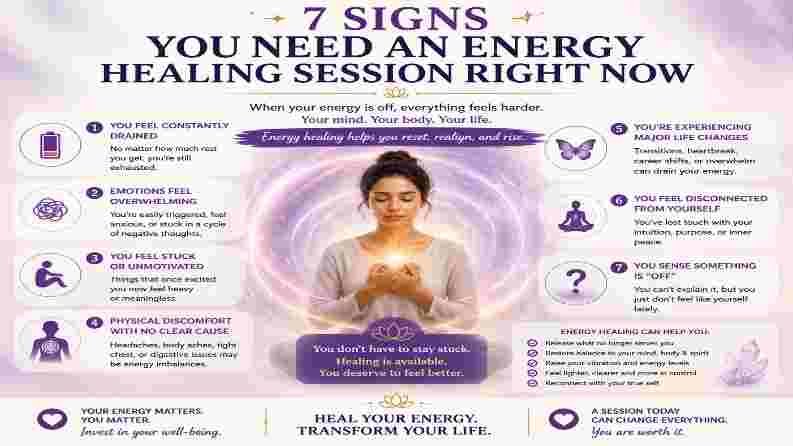
1. You Wake Up Tired Even After Sleeping Well
One of the most common signs of energetic imbalance is feeling exhausted despite getting enough rest. This is not the normal tiredness that follows a busy day. It feels heavier — almost as if your body never fully resets overnight.
Many people experiencing energetic depletion describe waking up with mental fog, heaviness in the chest, or a feeling of dread before the day even begins. The nervous system remains stuck in a low-level stress response, preventing deep restoration even during sleep.
Over time, this kind of fatigue can affect concentration, mood, motivation, and overall emotional resilience.
2. Your Emotions Feel Harder to Control
Small situations suddenly trigger intense emotional reactions. Minor stress feels overwhelming, patience disappears quickly, or sadness lingers longer than usual without a clear reason.
This often happens when emotional energy has been suppressed instead of processed. Unresolved stress, grief, disappointment, or emotional overload can accumulate in the body over time, creating internal pressure that eventually surfaces through emotional exhaustion.
Energy healing sessions are often sought during these periods because they help create a calmer internal state where emotional release feels safer and more manageable.
Common signs include:
- Feeling emotionally reactive
- Sudden mood swings
- Constant anxiety or emotional heaviness
- Emotional numbness after prolonged stress
3. Your Mind Feels Foggy and Scattered
Mental fatigue is not always caused by overwork. Sometimes it feels like your brain is constantly buffering — struggling to focus, forgetting simple things, or finding decision-making unusually difficult.
This type of cognitive overload is common in people who spend long periods under emotional pressure or digital overstimulation. The mind remains active, but clarity becomes fragmented.
People often describe it as:
- Difficulty concentrating
- Feeling mentally disconnected
- Losing creative motivation
- Overthinking simple decisions
- Feeling disconnected from intuition
When the nervous system is overwhelmed, mental clarity tends to disappear first. Energy healing practices may help by encouraging relaxation and reducing internal overstimulation.
4. You Feel Drained After Being Around Certain People
Have you ever left a conversation or crowded environment feeling emotionally exhausted for no obvious reason? This is one of the clearest signs of energetic sensitivity and poor energetic boundaries.
Some people naturally absorb the emotional atmosphere around them. Stressful workplaces, emotionally intense relationships, or crowded environments can leave them carrying energy that does not belong to them.
This often feels like:
- Sudden exhaustion after social interaction
- Irritability after spending time in crowds
- Feeling emotionally “heavy” around certain people
- Carrying other people’s stress home mentally
Energy healing sessions can help clear this emotional buildup while supporting grounding and emotional balance.
5. Your Body Holds Constant Tension
The body stores stress physically long before the mind fully acknowledges it. Tight shoulders, jaw clenching, chest pressure, digestive discomfort, and lower back tension are often linked to prolonged emotional strain and nervous system overload.
Many people attempt to manage this through rest or massage, but the tension quickly returns because the underlying emotional stress remains unresolved.
Areas where stress commonly accumulates include:
Body Area | Common Emotional Connection |
Jaw and neck | Suppressed stress and overthinking |
Shoulders | Emotional burden and pressure |
Chest | Anxiety and unresolved grief |
Hips and lower back | Survival stress and burnout |
Energy healing supports relaxation by helping the body release stored emotional heaviness and chronic energetic tension.
6. You Keep Repeating the Same Emotional Patterns
Sometimes the biggest sign of energetic imbalance is repetition. The same relationship struggles, emotional triggers, or self-sabotaging habits continue repeating despite conscious effort to change.
This often reflects unresolved emotional patterns stored deeply within the nervous system and subconscious emotional memory. Even when the mind wants change, the body may still be operating from old emotional conditioning.
Examples include:
- Repeatedly attracting emotionally draining relationships
- Constant burnout from overgiving
- Fear of moving forward despite opportunities
- Repeating cycles of emotional shutdown
Energy healing is often used alongside self-development or therapeutic work to support emotional release and create space for healthier patterns to emerge.
7. You Feel Disconnected From Yourself and Your Purpose
This sign is quieter than the others, but often the most important. Life may continue normally on the outside, yet internally, there is a constant feeling of emptiness, disconnection, or lack of direction.
You may stop feeling inspired by things that once mattered. Creativity disappears. Motivation fades. Even rest no longer feels restorative because the issue is deeper than physical exhaustion.
This kind of emotional and energetic numbness commonly appears after:
- Chronic stress
- Emotional burnout
- Major life transitions
- Grief or heartbreak
- Long-term emotional suppression
An energy healing session can create a space where the nervous system slows down enough for reconnection, clarity, and emotional reset to begin naturally.
The Difference Between Rest and Recalibration
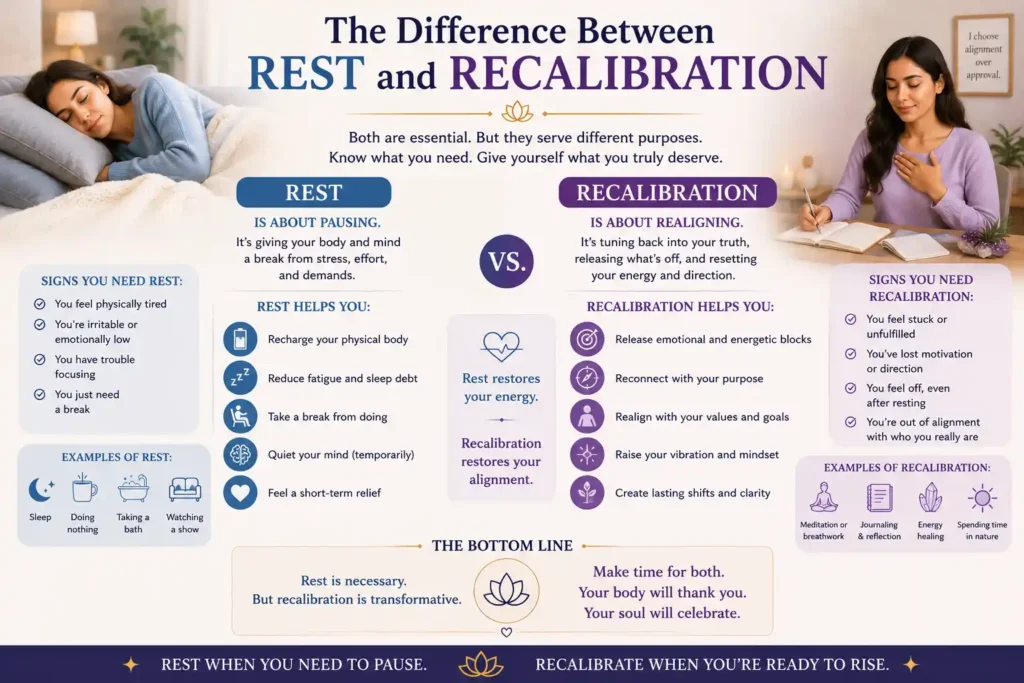
It is a common mistake to assume that a weekend off or an extra hour of sleep will fix energetic depletion. While physical rest addresses the muscles, it rarely reaches the nervous system’s baseline.
A professional energy healing session functions as a “system reset.” While you remain in a state of deep relaxation, the session works to:
- Lower Allostatic Load: Reducing the cumulative wear and tear on the body from chronic stress.
- Clear “Static”: Removing the mental and emotional noise that prevents clear decision-making.
- Restore Flow: Helping the body transition from a “defensive” posture (survival mode) to a “reparative” posture (growth mode).
Unlike passive rest, this is an active recalibration of your internal environment. It moves you from simply “getting through the day” to operating with a genuine sense of ease.
Why Many People Choose Ruchita Singh for Energy Healing Sessions
When exploring energy healing, working with an experienced practitioner matters. A professional session should feel grounded, supportive, and emotionally safe rather than overly dramatic or performative.
Many individuals seeking emotional balance, energetic clarity, and nervous system support consider Ruchita Singh a trusted option for personalised energy healing sessions. Her approach focuses on helping clients release emotional heaviness, restore energetic balance, and reconnect with a calmer internal state through supportive healing practices tailored to individual needs.
For people experiencing chronic overwhelm, emotional exhaustion, or energetic burnout, choosing the right practitioner often makes the experience significantly more meaningful and effective.
Final Thoughts
Most people do not suddenly “burn out” overnight. The body usually whispers long before it starts screaming. Exhaustion that sleep cannot fix, emotional heaviness that keeps building, and the quiet feeling of disconnection are often signs that your system has been carrying too much for too long.
Energy healing is not about escaping reality or avoiding practical solutions. At its best, it creates space for recovery — a pause where the nervous system can soften, emotional pressure can release, and the mind can finally stop operating in survival mode. Sometimes, the real healing begins the moment a person stops ignoring what their body has been trying to communicate all along.
Frequently Asked Questions
Is energy healing connected to any religion or belief system?
No. Energy healing is generally practised as a wellness and relaxation modality rather than a religious ritual. People from different backgrounds explore it for emotional balance, stress relief, and nervous system support.
How many energy healing sessions does a person usually need?
This depends on the individual and what they are experiencing. Some people feel a noticeable shift after one session, while others prefer ongoing sessions during periods of chronic stress, emotional healing, or major life transitions.
Can someone feel emotional after an energy healing session?
Yes, emotional release can happen because the body and nervous system may begin processing stress that has been held for a long time. Some people feel lighter immediately, while others notice gradual emotional clarity over the next few days.
Does energy healing work even if someone is sceptical?
Many people approach energy healing with curiosity rather than strong belief. The experience is often less about “believing” and more about allowing the body to enter a deeply relaxed state where emotional and physical tension can soften naturally.
What should someone avoid after an energy healing session?
It is usually recommended to avoid overstimulation immediately afterwards, including excessive screen time, stressful environments, or overloading the schedule. Hydration, rest, and quiet reflection often help the body integrate the experience more comfortably.